

Hey! it’s good news for those struggling to deal with their sensitive dry skin. I am one among many dealing with the same. Managing sensitive skin can be very challenging. First of all, how do we figure out if our skin is sensitive or not? A few questions concerning your skin can clear your doubts. If most of the answers listed below apply to you, then your skin is sensitive.
- Do you often get red patches or pigmented spots on your skin?
- Does your skin feel dry or tight after you wash your face?
- Do you show early signs of aging like wrinkles and fine lines?
- Does practically everything in contact with your skin cause you to have rashes and pimples?
- Does your skin get tanned quickly? Or skin burns within just a few minutes in the sun, but it takes others some time to even get tanned?
- Does your skin react badly to most beauty and skin care products?
- Does applying products cause your skin to become flaky and itchy?
if you answered “yes” to any or all of the questions above then your skin is sensitive.
Knowing the skin type is essential since a delayed understanding will result in more skin-related problems. Knowing which products work best on your skin type and which do not is crucial if you have sensitive skin. Additionally, one needs to recognize the necessity of protecting their skin from dryness, and sunlight, particularly those with sensitive skin as they are more prone to sunburn sooner than those with other skin types.
Build a skincare routine for sensitive skin with the following steps:

1. Know your skin:
Firstly, knowing your skin type will help you better understand the needs of your skin, regardless of whether you have sensitive, normal, combination, dry, or oily skin. It will assist you in figuring out what product lines to check for your skin type and what you should eat to keep your skin healthy. Since sensitive skin is the most reactive, you need to check on what cosmetics and skin care products work best for you. The sooner you identify, the better it is to sort skin-related issues.
2. Products to use :
Stay away from harsh chemicals. Avoid using skincare products with artificial dyes, alcohol, sulfates, parabens, or fragrances since they may trigger sensitivity and irritation.
Only some ingredients and their combinations can be effective on skin that is sensitive. If you use a product that primarily works for other people, you will probably end up having skin irritations, breakouts, or even skin burns.
Additionally, you must inform the salons, parlors, and skin clinics you visit to know your skin type so they can use products suitable for sensitive skin. Note that it is good if they conduct a skin patch test before receiving any kind of beauty treatment to avoid skin issues.
3. Patch Test For New Products :
A patch test is crucial for all, particularly those with sensitive skin. Any new product you intend to use should be tested on the inside of your arm in small quantities. If your skin doesn’t appear red, irritated, or inflamed, or if no bumps have appeared, then your skin can tolerate the product. If not, the answer is plainly no.
4. Moisturize the skin :
Those with sensitive skin frequently make the grave mistake of avoiding moisturizers this is true even in my case. Sensitive skin cracks after washing with a face wash or cleanser because it dries up and gets tight and spotty. Even though the cleaner or wash is designed for delicate skin. The first rule of skin care is to moisturize right after cleansing. You need to find out what works. It is best to consult with a skin specialist for proper guidance.
Like said, I too was hesitant to use moisturizer as pimples and boils appeared on my face. This made me depressed. After becoming a mom, I was too busy looking after my little one than taking care of my skin. Most of the time I applied baby products on my skin to reduce wastage left out after applying it on my baby’s skin. But accidently it came out to be working the best on my skin too. This way I was introduced to the Himalaya’s Baby Cream.
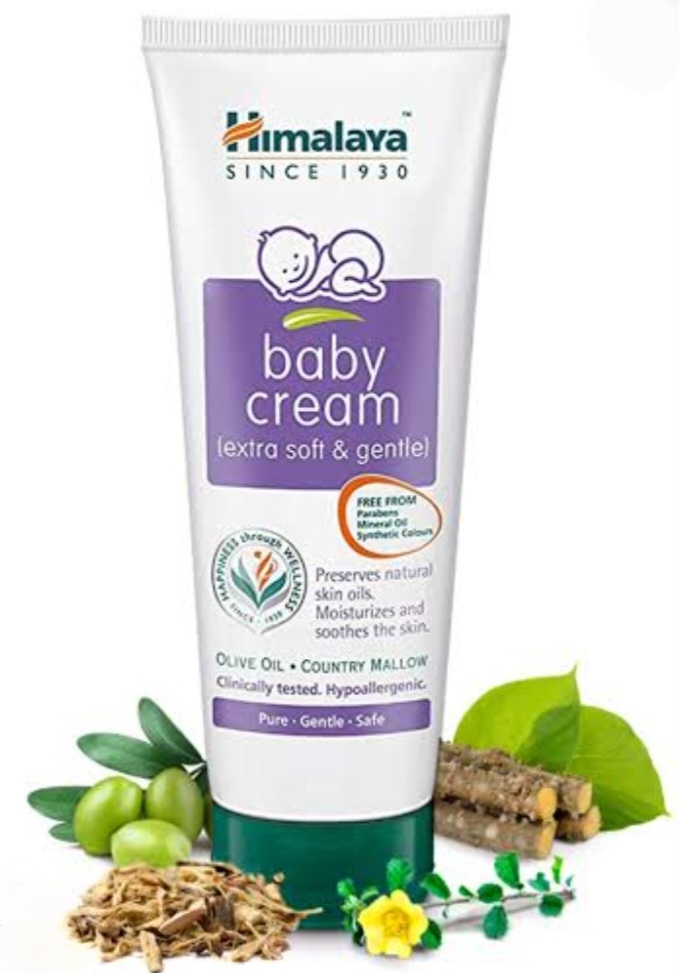
Himalaya is a reputable brand that has endured for many years and is recommended by many moms, approved by physicians, and tested by dermatologists. I can therefore have full faith in this brand when it comes to selecting the best. I hope the Himalaya cream continues to keep its high standards.
Himalaya Baby Cream is an herbal product free of artificial fragrance or coloring and does not include dangerous ingredients like paraben. The product seeps into the skin with ease. I apply it on the baby’s and my damp skin right after a shower. It has a mild fragrance that is not overpowering. I’ve been using this baby face cream for the past 16 months. Our skin didn’t show any signs of irritation or allergies to date. This miracle lotion hydrates the skin, leaving no dry patches but only moisturized, soothed skin.
Finally, I got the moisturizer that suits my skin. If you wish to try I recommend a patch test using this product first to be on the safer side.
Note: During winter you need to reapply this moisturizer over again to combat dry weather.
5. Avoid over-washing skin :
When we feel sweaty, gritty, and nasty, we are frequently inclined to wash our skin. That is not the right thing to do, especially if your skin is sensitive. The director Suzan Obagi, M.D., of the UPMC Cosmetic Surgery & Skin Health Centre, Says
By over-washing your face, you allow irritating substances to easily penetrate your skin’s protective layer. Overwashing your face will wash off all these vital lipid proteins. Hence washing with a mild, fragrance-free cleanser and plain water once or twice is enough.
In my case, I have to wash my face thrice (morning, afternoon, and night ) to avoid boils and pimples. Finally, you must listen to your body first and then decide. But don’t forget to moisturize every time you wash your face.
6. Introduce new products slowly:
Slow addition of new products to your skincare routine is a great way to introduce them to your skin. If you see ten new products, for example, that you would like to try, the best course of action would be to figure out whether they are safe for your sensitive skin, whether they would mix well with the other products, and then incorporate the products in the small concentration.
Rather than gradually switching completely to new skincare products, add one new product at a time to the existing skincare routine. After introducing a new product, switch it out for a new one every two to three weeks. This way, you will give your skin some time to adjust to new products.
Lifestyle Guide For Sensitive Skin

- Choose “Hypoallergenic” Products:
Opt for hypoallergenic skincare, haircare, and laundry products to minimize potential irritants that come into contact with your skin.
2. Manage Stress:
Stress can aggravate skin sensitivity. Practice stress-reducing techniques such as yoga, and meditation, or simply take time to relax and unwind.
3. Watch Your Diet:
Some foods and beverages can trigger skin reactions in sensitive individuals. Pay attention to what you eat and drink, and consider keeping a food diary to identify any potential triggers.
4. Stay Hydrated:
Drink plenty of water throughout the day to keep your skin hydrated from the inside out.
5. Consult a Dermatologist:
If you’re struggling to manage your sensitive skin or experiencing persistent issues despite your efforts, consult a dermatologist. They can provide personalized advice and recommend suitable treatments or prescription medications if necessary.
6. Minimise Sun Exposure:
If your skin is sensitive, you’ll notice that you burn in the sun quicker than others. Consequently, the only ways to avoid being burned are to avoid spending too long under the sun and to always wear sunscreen with high SPF appropriate for your skin type.
To be active during the day without exhausting yourself, it would also be fantastic if you brought an umbrella. Sunlight also accounts for radical skin aging, which is extremely common and easily absorbed by sensitive skin. People with sensitive skin are advised by the Skin Cancer Foundation to restrict their time in the sun during the peak hours i.e. 10 a.m. to 3 p.m
7. Get a hold of your SPF:
It is important for those with sensitive skin to always apply sunscreen because this skin type is extremely vulnerable to the sun’s rays. For such skin types, physical sunscreens are preferable to chemical sunscreens.
If you still want to use chemical sunscreens your skin expert’s advice is a must.
I was recommended Deino Bloc UV sunscreen. It is a little expensive but the best thing about this cream is that it has no strong fragrance, and evenly spreads on skin without leaving any white cast.
If you need more details on the sunscreen comment below.
8. Shower in lukewarm water
Avoid taking hot showers if you have sensitive skin. Because hot water easily removes the skin’s natural oils, making the sensitive skin more dry. So, using lukewarm water is the best. Also, avoid using toiletry or face products with strong scents since that’s certain to cause outbreaks.
Sensitive skin demands a delicate touch and an attentive approach to care. You can maintain a beautiful, well-balanced, and calm complexion by understanding your skin’s demands, using the right products, and following a good skincare regimen. Note that consistency is crucial, so follow your skincare routine religiously and exercise patience while you figure out what suits your particular skin type the best. Learn to embrace your sensitive skin and enjoy a glowing, healthy complexion every day by taking proper care of your skin.
The tips mentioned will help your sensitive skin look great and feel perfect.
Hoping that you find this content useful. Please let me know through your comments. Till then, be safe and take care.
Thank you!
Sayonara!
Love Life & D&B!

 Dressup and Blossom
